Doctoral dissertations are, as a rule, boring to everyone except for the person who wrote them. It would be conceit to assume that my own dissertation is otherwise.
Still, there are a few reasons for me to share it with you.
First, I think anyone who interviews North Koreans, North Korean defectors, persecuted Christians, or refugees should actually read the whole thing. Interviewers should at least do no harm through their interviewers, and I fear that most of us, unwittingly, do not yet meet that standard. On the positive side, the degree to which interviews can be means of healing for members of this population is extremely important, and understudied. It is no exaggeration to say that learning how to interview in a more healing manner was the primary benefit I accrued through my doctoral research.
Second, I remain concerned by the lack of documentation and triangulation of information in North Korea work, as well as in work related to the persecuted church more broadly. Our goal should never be to be the first to publish information. Our goal should be to publish only accurate, reliable information, no matter how long it takes to verify it. I still encounter speakers and writers about North Korea quoting extensively from discredited material as if it were true. This leads to distorted understanding and unhelpful action. Just because someone says something bad about North Korea (or Muslims, or ISIS, or Barack Obama) doesn’t mean that it is true. For Christians, speculation and unsubstantiated rumors should not be wielded as weapons. We need to repent of that, no matter how bad the baddies are.
Third, too few people in my corner of the Kingdom undertake doctoral-level research. Some get doctorates, but that’s still distinct from undertaking original qualitative or quantitative research. There are things we need to examine about our practices. The subjects we teach deserve a deep-dive treatment. Glenn Penner, the now-deceased former CEO of Voice of the Martyrs Canada, did his best in his own way to change that, through research and writing his own book, In the Shadow of the Cross. I hope in some small way to encourage others to follow this path. I have heard some say, “I can’t take four or five years off from my work! It’s too urgent! And I have kids!” I didn’t take a sabbatical to do research. I did it about my work, as part of my work. It’s difficult, but it’s possible. And it should be done, because we need more of it. Also, this process has led some of our children to decide to do advanced degrees. If you want to see your kids do well in school, do well in school right along with them.
Finally, as I was doing my research, I found very few repositories of scholarly information on North Korea, life story narrative, or persecuted Christians. I am offering my thesis for download here in an effort to give those who come after me a head start that I didn’t have. I hope it helps. And if you find more great articles or research, please share those with others. (Please don’t share them with me for about three years, as it’s going to take me that long to catch up on reading everything unrelated to my dissertation that has been stacking up while I’ve been reading what you’ll see in the three reference lists of my dissertation. There’s one list for my qualitative thesis, one for my quantitative thesis, and one for my integrative thesis. However, the reading list that’s the longest is the list of everything else that came out while I was reading something on one of these three lists.)
If you’d like a free downloadable version of my thesis (no registration required), click here.
If you’d like to save yourself the 115 pages of reading, here’s a 148-word summary, or abstract:
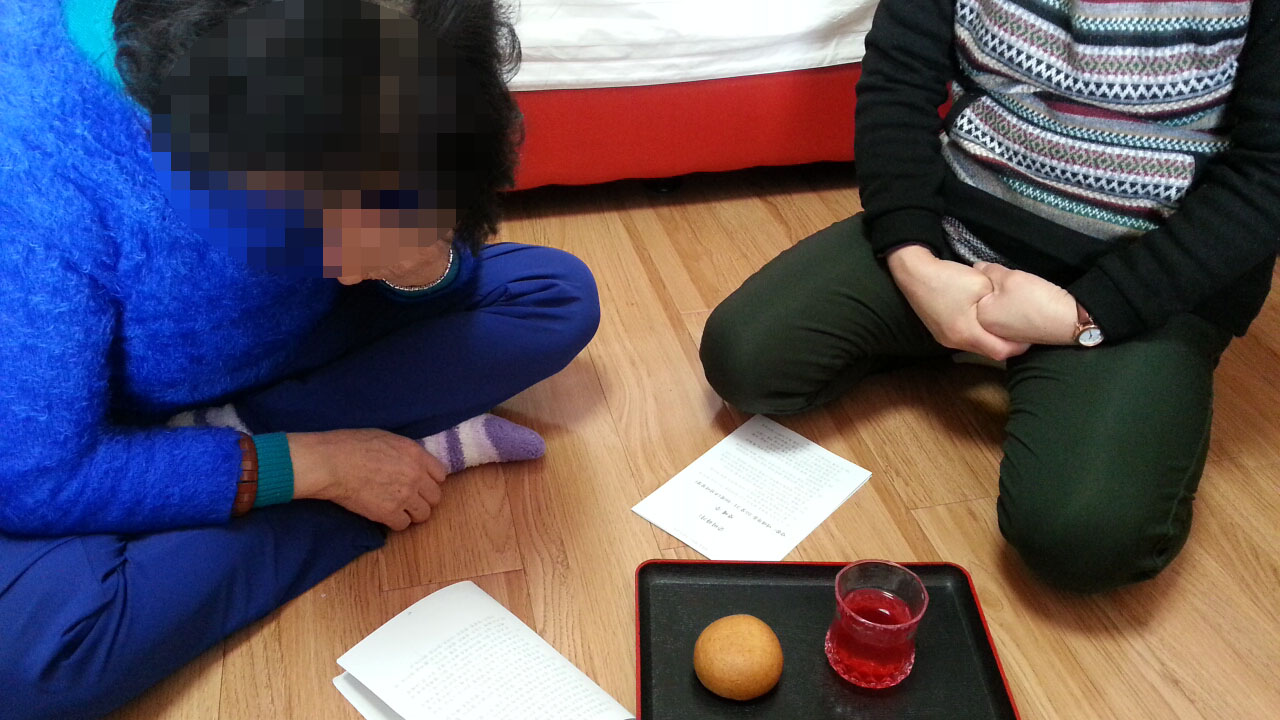
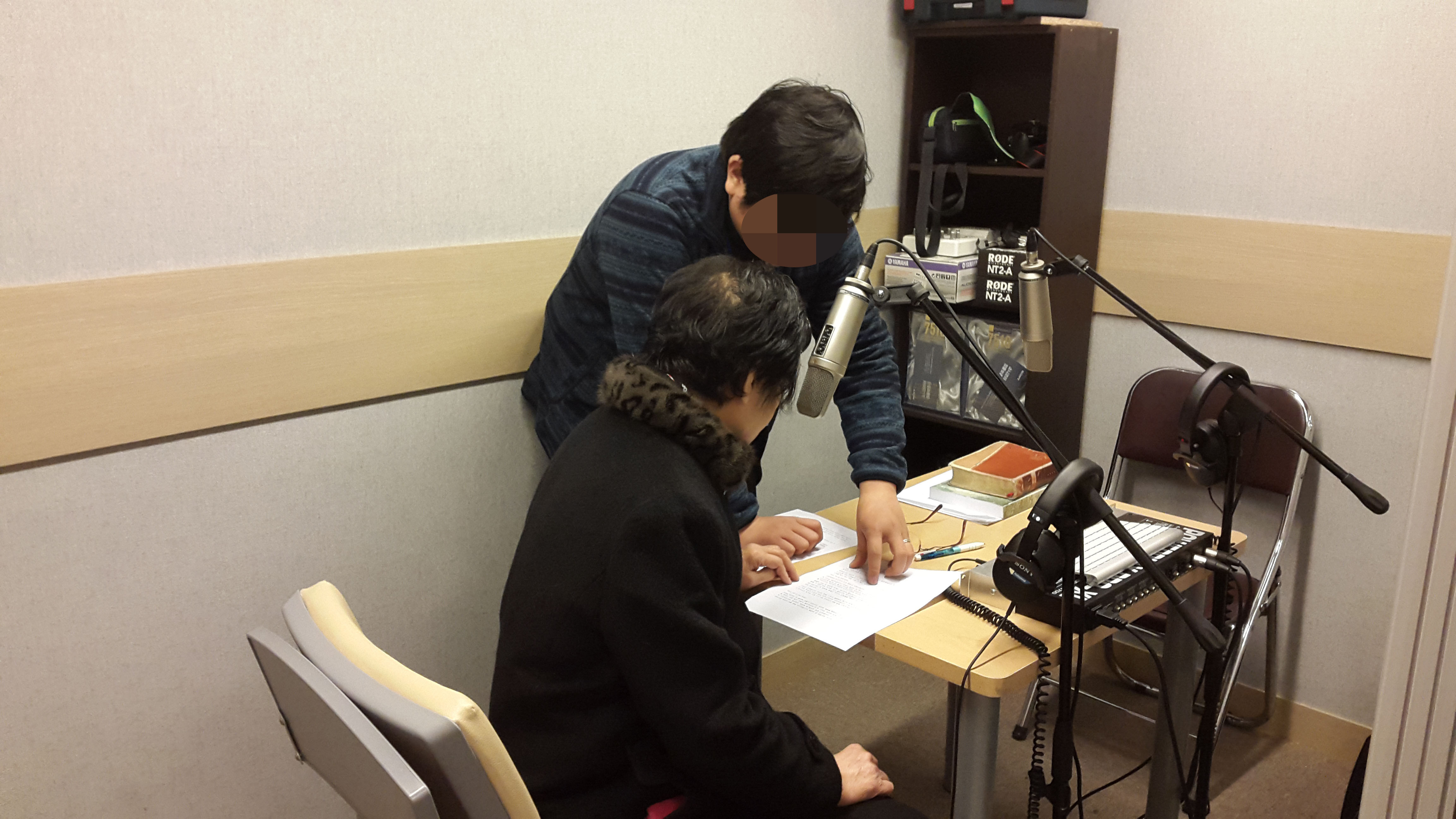
A mixed methods study considers the co-creation of life story narrative by North Korean defectors in South Korea and those who hear their narratives. In an initial qualitative study 30 North Korean defectors discover happy memories previously omitted from their life story narratives through reconsideration prompts from interviewers. Discovery prompts a “valence change” in which defectors re-evaluate their life as being essentially happy rather than sad. An experimental treatment of 122 North Korean defectors newly arriving in South Korea is undertaken in order to extend the concept of reconsideration prompts to entire narrative frameworks through a narrative intervention. Experimental group means for eight meaning-in-life measurements increase while means in the control group decrease across the same variables. The present platforms for North Korean defector life story narration, e.g., immigration interrogations and defector-as-political-symbol “objective” accounts, are critiqued. New platforms and strategies for listening and hearing are commended.
I should note that congratulations are not quite yet in order for completing this work. One paper remains for me to write between now and graduation in May 2015, and that paper is not a short one. I need to write it while traveling to China, Finland, Poland, the US, and Mexico.
So I thank you in advance for your continued prayers, and also for your serious engagement of the thoughts contained in this post and in my dissertation. I do not know if I have done these subjects justice, but they are sorely deserving of some.