
Part IV of our series on Preparation
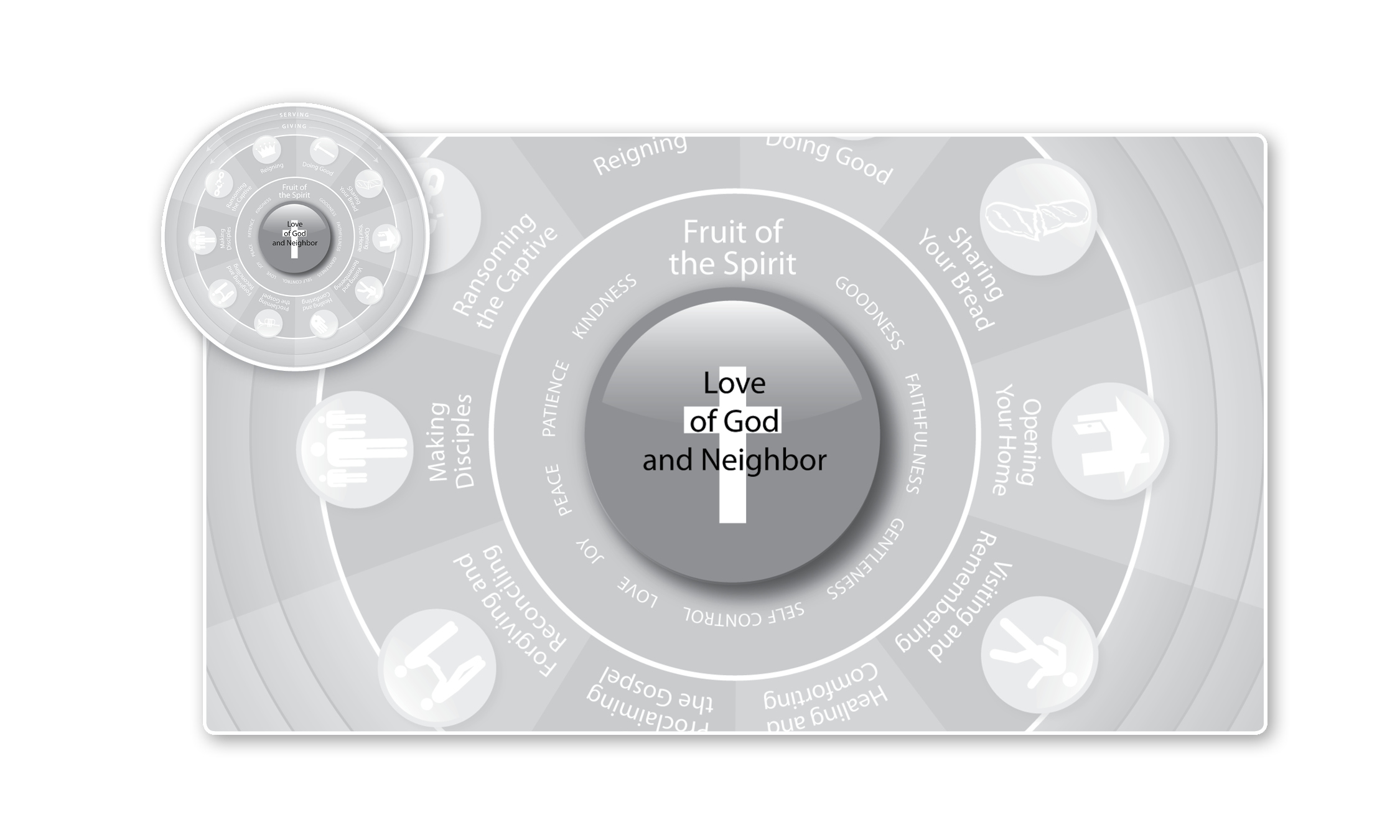 We’ve all heard that the word “Christian” means “little Christ.” But seldom have we ever considered the impact this should have on our discipleship strategy.
The Christian is (supposed to be )a small picture of Christ. Of course, that picture is not perfect – it’s still developing – but from the very beginning of the creation of the human race, we were designed to be pictures of Christ. Adam and Eve miss that, of course, and plunge the race into sin.
But when Christ comes, one of the vital and overlooked aspects of his ministry is to reclaim for humanity – through his followers in whom the Holy Spirit lives – the vocation of being little pictures of Christ to the world. Little mirrors reflecting to the world the grace and goodness they have abundantly received from God.
Christ was and is a generalist. So pictures of Christ must be pictures of a generalist.
If, in the church, we only have specialists, then it is not Christ whom people are seeing.
Because if someone says, “Oh my ministry is to cook the meal after service,” they will focus only on the ministry that they like to do and that they feel comfortable doing and that they are skilled to do. Sometimes people say, “Yes, but if everyone in the church does their speciality, won’t the world see Christ in the church as a whole?”
Answer: No.
They will see a bunch of people doing what they are comfortable doing and what they are skilled to do. But each one of us is designed to be able to mirror him fully. He didn’t give us only the portion of the Holy Spirit we needed to specialize in one particular ministry. The fullness of the Holy Spirit dwells in each of us. Just as we resemble our parents with our overall appearance, we are designed to resemble him—not just his ear or his toe, for goodness’ sakes.
Instead, Christ wants us to rely upon him as we grow to become like him in every way, not just the one or two ways that we like or understand or are good at. And the best way to do this is to be comprehensively, systematically trained in ministries that are different from what we like to do or that we’re skilled in.
Whenever we do something that is outside of our natural gifting or interest we are demonstrating our reliance on Christ.
And God’s vision is that we would train disciples the same way Jesus trained disciples. He trained them to be generalists, not specialists. The goal wasn’t that they would find an area and focus on that, but that they would grow to fullness and would reflect Him by learning to do “all things well,” by the power of the indwelling Holy Spirit. Even though Jesus’ disciples might focus on one ministry at a specific point in time, they still will know how to do other ministries and, in this way, be “little Christs”—or, more accurately—little mirrors of Christ to the world.
This has been the vision of the Church for more than 2000 years (read: always). But in our modern times we have lost that vision because in business, specialists are king.
The Church has a habit of taking our thinking from business and applying it to Christianity.
We think about the church like we might think about building a car, where everyone has a special role that they do to make the car run. But when Jesus was on earth that is not the vision that he had. Someone who was a farmer, for example, would have to know how to do many kinds of jobs; specialization wasn’t an option. And a normal family would have to know how to sew their own clothing. They would have to know how to grow their own food.
Of course it is still this way in many parts of the world—and it’s still how we need to approach discipleship.
Why do you think generalist discipleship gets overlooked in favor of specialist discipleship?








 Do the Word