
 After moving to a small Maine town, I quickly realized the benefit of being a “Jack of all Trades.” Unlike big city living, when something broke down, there was often a lack of able-bodied repair men, and there was often a lack of money to pay those able-bodied repair men. Over the course of seven years, I learned how to change the brakes on my car, take a tree from my own yard and turn it into firewood, install a pellet stove, clean a chimney and fix a well that wasn’t properly pumping. I didn’t do all these things alone, but I worked along-side of friends and family, learning these very valuable skills. None of these are my specialties (and they still aren’t), but in order to survive I realized the value of learning and growing in areas that were originally foreign to me.
Our spiritual lives should be similar to small town Maine living, in that we are called to be “Jack of all Trades” Christians, also called generalists. This doesn’t mean that we are “masters of none,” but just that we are willing to always learn and grow in all areas. I can’t be content with only doing the things that I’m good at, while Brother Jack does what he’s good at, and Sister Margaret does what she’s good at. I also can’t depend on the Pastor to preach, pray, lead worship and visit the sick. Not only would there be a problem if Sister Margaret unexpectedly passed away, but even if all remained the same, I wouldn’t be growing in my walk with the Lord.
Former missionary Ernest Goodman described the problem of Christian specialization this way,
In misguided efforts to find identity in our gifting (rather than in Christ Himself), we’ve specialized ourselves out of Christianity into “that’s not my job;” where anyone who’s not “gifted” in service is justified in ignoring need. “Teachers” forsake all contact with unbelievers. “Prayer specialists” cloister themselves away. “Discerners” don’t have to be nice to anyone. Ever.
Robert Heinlein wrote, “A human being should be able to change a diaper, plan an invasion, butcher a hog, conn a ship, design a building, write a sonnet, balance accounts. . . Specialization is for insects.”
We could also say something similar for the Christian life,
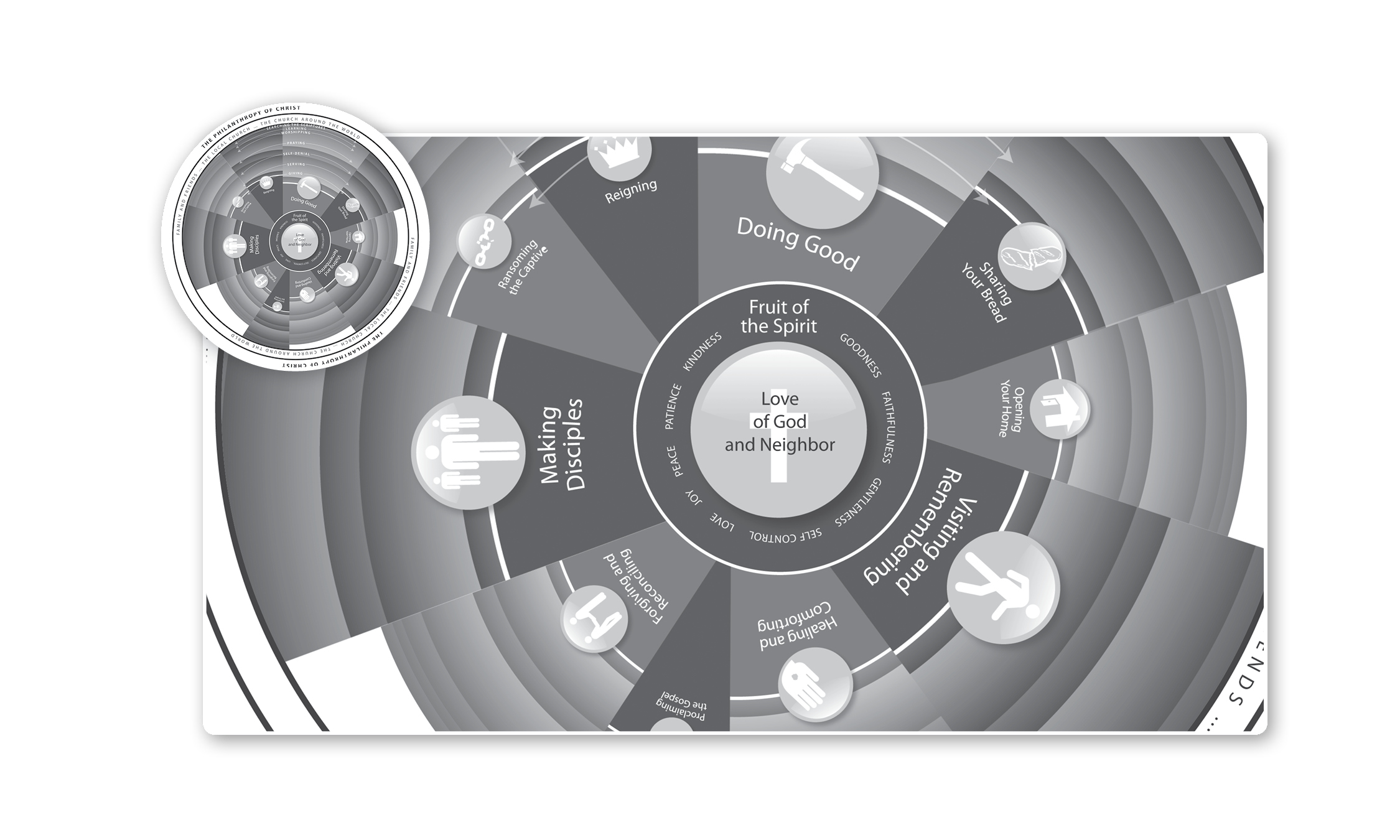
A Christian should be able to preach a gospel message, lead worship, visit the sick, perform a funeral, open his home to unbelievers, lend money to his enemies, memorize Scripture, administer communion, cook a meal for his community, eat alongside the homeless, pray for others, forgive the unforgivable, and be willing to be persecuted for the cause of Christ . . . Specialization is for insects.
Are you good at all of the above-mentioned things? I’m not either. But let’s purpose to grow in those areas instead of hiding behind the things that we’re good at.








 Do the Word