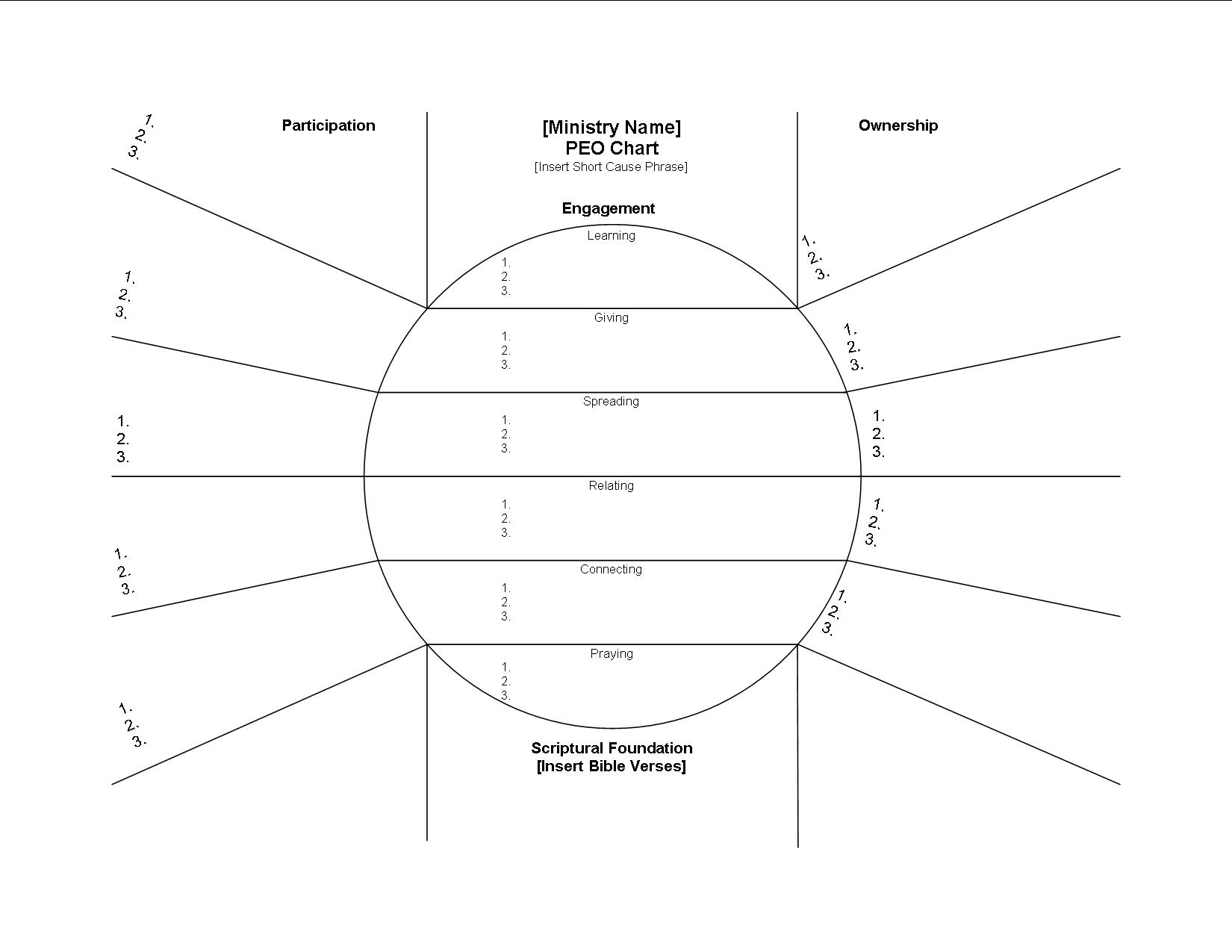
While we’ve been hacking through the Engagement underbrush in the last half month’s series of posts, the rest of the philanthroblogger world has been grappling anew with the questions of social impact and personal impact as giving motivators (the four posts here, here, here, and our favorite post here from Katya Andresen ought to get you nicely up to speed, as will Bronfman and Solomon’s new book, The Art of Giving: Where the Soul Meets a Business Plan, which is being nicely profiled on Sean Stannard Stockton’s blog).
In short, the question under discussion is this:
- Which is the greater spur to philanthropy–personal feelings or the desire for outcome-based impact–and what if anything can and should be done to change that?
The disdain on the part of many bloggers for personal feelings as the trigger for giving is not hard to detect, which leads to a fascinating follow-up question:
- Do donors rely on personal feelings because they lack outcome-based impact data, and would (and should) they become more oriented to outcome-based motivations for giving if such data were available?
Katya Andresen and I are working on reframing the debate as necessarily a both/and rather than an either/or, in the form of an “impact index” that contends that asks that chart high on both axes, social impact and personal impact, are (and should be) preferred to asks that chart high on one or the other. Perhaps I am foolishly optimistic, but I take that to be such a straightforward and simple proposition that I think we’ll be able to carry the day once the terminology dust settles.
But that’s only one side of the coin.
The other–and, in my view, much more intriguing–side of the coin isn’t related to giving motivation at all. This second coin side is all about the role of the individual and the nonprofit in relation to the cause, and here the issues aren’t terminological at all.
The question at issue on this reverse side of the coin:
- How can individuals make the greatest impact on a cause–by being trained to impact the cause directly, with the nonprofit serving as impact platform/convening mechanism, or by impacting the cause indirectly, giving money to the nonprofits judged by experts as the most effective in making a difference?
My suspicion is that most of the people involved in the personal versus social impact debate will find this question preposterous and even spurious. The consensus of our age (among charitable foundations and nonprofit execs, anyway) is that nonprofits impact causes and donors support nonprofits. The only question being discussed is whether, in the end, donors are flibbertigibbets or hard-nosed impact calculators who will vote responsibly for the best nonprofits with their giving dollars.
Such a view is hardly flattering to individuals. And it’s far too kind to nonprofits.
As I’ve noted previously, we live in a day when a multitude of examples exist of individuals and informal networks of amateurs beating the pants off of big, credible nonprofit organizations when it comes to making a deep, direct, lasting, measurable, critically important impact on the cause. The phenomenon has reached the mainstream so much so that even FEMA has to acknowledge it:
The critical role of local organizations and their ability to reach community members in need cannot be ignored. While these small nonprofits and faith-based organizations do not have the resources for national public service announcements and billion dollar fundraising campaigns, they need access to some of the donated dollars that flow into the coffers of larger organizations able to broadcast commercials across the country. FEMA might consider exploring ways that donated dollars can be split proportionally or that even a small percentage (5-10%) can be used to support the important work of local organizations.
Distributed computing–“in which anyone with an Internet connection can participate and in which results benefit everyone”–is such a well established phenomenon in the technology fields that it’s simultaneously surprising and disappointing that the concept of distributed causing–in which individuals join causes rather than just giving to them (as “donors”)–is little discussed in philanthropic circles.
As Angela Eikenberry points out in her must-read book, Giving Circles, nonprofits have become exponentially more formal in their efforts to tackle causes in a matter of but a few generations; consequently, they are more and more exclusive, less and less participatory…and less and less democratic. They no longer even feel to need to justify their causal elitism; causes and cures are, you know, so complicated that the heavy lifting is so obviously better left to the professionals that the role of so-called “donors” is whittled down to little more than reading newsletters, embracing new tools (created by the nonprofit sector itself, of course) to better judge which nonprofit does the best and most efficientwork..and then writing a check.
Eikenberry’s killer observation is this:
- Voluntarism is now viewed less as a duty of the citizen…and more as a “privilege granted by philanthropic agencies to those who accepted their discipline.”
Ouch, do we need to hear that. Let the games continue.







 Do the Word