
Do We Need to Be Healed of Our Low Self-Esteem?

The following is a written preview of our new Q&A style podcast where Pastor Foley takes questions related to the Whole Life Offering discipleship training model. Subscribe now!
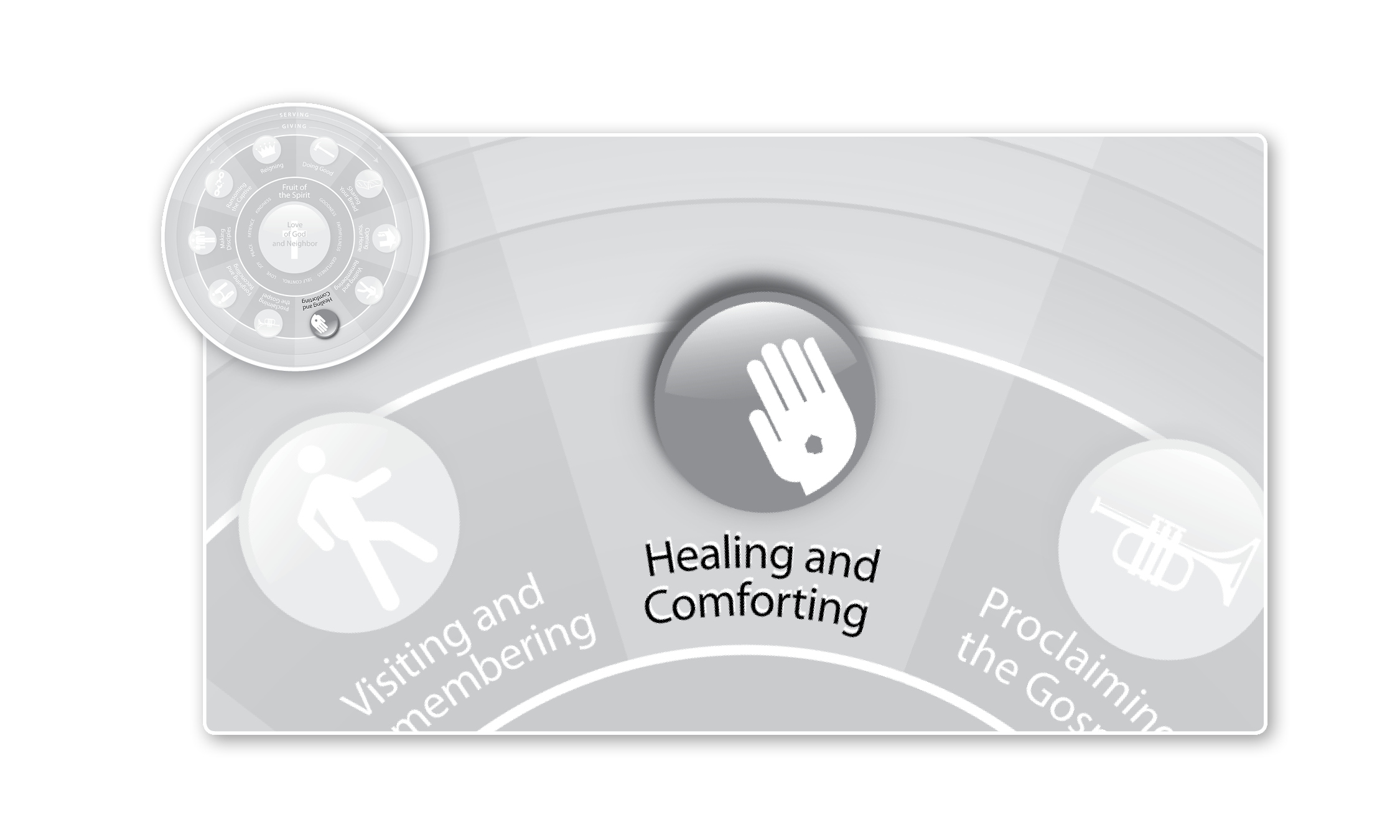
Q: I have to talk to you about the songs again. There’s a big push now towards healing people’s self-esteem.  How would something like “I lay my sins on Jesus. He bears them and frees me” fit into the general approach of that kind of message?

A: Here’s the problem. Look at every single instance of where Jesus encounters a sinner in the Bible; there’s not one where he diagnoses their problem as a lack of self-esteem. He is always straightforward about the person’s sin. But…what causes them to want to be around him is that, even though he’s straightforward about their sin, he knows something that is bigger than their sin that causes them to have absolute confidence that they can be set free.

When we are in the presence of God we can bring our sin to God and know that it doesn’t define our relationship with him. There’s a way he can help us, not only to be forgiven for it, but to be empowered to live in a way that allows us to rise above it. That’s the kind of God in whose presence we want to be.

That’s what the song really celebrates. I lay my sins on Jesus because our sins don’t just evaporate, right? It’s not that God is in the form of Christ, on the cross, saying, “Hey, I’m taking the punishment here because I love you. You guys are great!” Your sins have to go somewhere. Someone has to pay the price for those. That links you and Him together forever. He becomes your life, your only hope, your only way of not only being able to receive forgiveness for your sin, but to be set free for a new way of living that matches what it is that God designed you for in the first place.

Q: Very few churches, I think, are singing hymns anymore. I don’t know that they have praise band arrangements for these songs. 

A: The reason why we do music in the church isn’t primarily for emotional expression. It’s because it’s how we come to know the truths of God in both sides of our brain and in the fullness of our being. They teach us theology. The problem is, we have such a warped notion of theology, we think of it as just head knowledge, but it’s not. Theology is the hearing and the doing of the Word and you’ve got to have music in your head. That needs a soundtrack.

There are going to be times when that hymn gives you the guidance of what to do or what to say.

Submit your questions to Pastor Foley by posting a comment or emailing us at [email protected].

Posted in Uncategorized | Tagged , , , , , , | Leave a comment

How Does Confession Affect Our View of God?

The following is a written preview of our new Q&A style podcast where Pastor Foley takes questions related to the Whole Life Offering discipleship training model. Subscribe now!

Q: In James 5 it says, “If you’re sick, confess your sins.” Can you tell us why that verse isn’t necessarily saying that you’re sick because you’re sinning (even if that is a possibility)?

A: Here’s the problem: we look at confession as a bad thing. We look at it as ipecac syrup – something we would rather not take; the gauntlet through which we have to run to get to the other side. But we need to change the way we look at confession because the Bible doesn’t portray it that way.  The Bible portrays confession as a means of healing, a means of grace.

When we’re sick, the wrong way to read that passage would be, “You are sick because you have hidden sin; therefore, confess your sin. Own up to that. Fess up. Come on.” Like the bright light of the investigator is shining on us in the interrogation room. But that’s not how James portrays it. He says, “Look, if you’re sick, that ointment of healing is available to you in the form of confession. And it’s not just your confession as if everyone is just standing around listening.  The elders of the church are going to gather around with you and all of us – together – are going to do what we see the church doing every time it gets together because we see confession as a means of grace.”

Nothing separates us from the love of God in Christ Jesus…other than that which we hold on to and use to push him away. And we’re most tempted to do that in illness because in those circumstances, we put our faith in our own strength, in the wisdom of the doctor, etc. Those are important components of recovery, but they’re insufficient. What we need first of all is to receive the fullness of God’s love and we need to make sure that we are not doing anything that stands in the way of that like holding on to things that we’re embarrassed to confess to God because we don’t know how he’s going to respond.

Q: Do you think if we had a more Biblical view of confession that would influence even the way we approach God? 

A: Remember, we’re in the religion that says, “Consider it all joy when you suffer.” The next verse does not say, “Because God is going to do a powerful work of deliverance in your life.” Sometimes he does, by bringing bodily healing to you. And sometimes he does by giving you new insight into how fully you can depend on him; how completely you can experience his grace, regardless of your age, physical condition or health. Nothing is going to impair your ability to experience God’s grace.

We find, especially as we teach the .W order of worship to those who don’t have much background in the church, that they actually like confession. The reason is because they look at confession the right way. They think, “Here is a God who has fully accepted me in Christ Jesus. When I confess, I don’t have to worry that I won’t be received.” They read Genesis 1, 2, 3 and see that the fundamental problem there is related to the fact that when Adam and Eve sin, they hide. Adam and Eve demonstrate their lack of trust God’s character which is what caused them to sin in the first place.

We believe, because we’ve seen the fullness of that character expressed in Jesus,  that we can come quickly to him, without fear of reprisal and say, “Father, I sinned. This is what I did. I know this isn’t how you want me to live.” We name the sin. We name the grace that renders that sin powerless over us. And then, in the company of the other believers, we encourage each other towards a way of life that is true to who we really are.

Who is not going to want that? That’s where confession is something that we ought to really want to participate in.

Submit your questions to Pastor Foley by posting a comment or emailing us at [email protected].

Posted in Uncategorized | Tagged , , , , | Leave a comment

The Biblical Way to Suffer Through Illness

The following is a written preview of our new Q&A style podcast where Pastor Foley takes questions related to the Whole Life Offering discipleship training model. Subscribe now!

Q: I know of ministries that have told people who are sick or dying that they don’t have enough faith or they would be healed. Can you expound on why, even in weakness and illness, we are able to bear the image of God?

A: First of all, when we think about the Savior, we think about someone who willingly went to the cross and bore our sins. That’s the best picture we ever get of God. It is at that moment that he reveals his glory. And even after he is resurrected, he bears the marks of his crucifixion. So, we have to wonder whether we’ve misunderstood what perfection in God means. We think about perfection in a human sense where it’s like getting a perfect score on a test. But that kind of perfect love that willingly bears all things and praises God in the midst of that without needing to have full, complete knowledge of the outcome – that’s how Christ is shaping us in his image.

We trust God when we don’t understand everything. He doesn’t have to earn our trust in every single situation because he’s been faithful to us thus far, so we know that he’s being faithful to us even now. So when someone says, “You’re not being healed because you don’t have enough faith” the implication is that perfection in that case is healing.

But it’s interesting how, when we think about our own spiritual lives, there are things we come to understand about God that we could only have understood by going through and bearing illness. There are things that we can only understand having gone through pain. That’s particularly true when we do it willingly.  That doesn’t mean that we get sick on purpose, but it does mean we have a choice every time we encounter illness to choose how we are going to experience it. Are we going to experience it as something that comes counter to the will of God? Or are we going to experience it by saying, “I believe  that God’s grace is still present to me in the midst of this and that neither height nor depth, neither principality nor power, nor things in the past nor things to come, can separate me from the love of God in Christ Jesus. I believe that in this illness I can still experience the fullness of God’s grace!”

That’s our proclamation as Christians and it is absolutely Scriptural. We praise God when healing happens when it doesn’t because nothing can separate us from the love of God in Christ Jesus.

Submit your questions to Pastor Foley by posting a comment or emailing us at [email protected].

Posted in Uncategorized | Tagged , , , , , | Leave a comment

