
We also rejoice in our sufferings, because we know that suffering produces perseverance; perseverance, character; and character, hope. (Romans 5:3-4)
In the gospel, God has been revealed to us as Father, Son, and Holy Spirit and we are held accountable for proclaiming the gospel. Jesus requires us to preach the gospel, not to explain who God is. It is not that we understand God, but that He has been revealed to us.
Some pastors try to explain the Trinity using sources that are not in scripture. If there is something in the Bible that is not explained to us, we do not need to add information there or strive to explain what we feel is an omission.
Other pastors err on the other extreme. They claim that “Trinity” is an extrabiblical term and that the creeds were created during a time when Greek philosophy was infecting church thought.
Notice, however, that the creeds do not use the word “Trinity” either. They use the biblical words “Father”, “Son”, and “Holy Spirit”. We do not preach “the Trinity”. We preach “Father, Son, and Holy Spirit”. We do not preach the creeds either. We preach the gospel. But the creeds contain the information from the scriptures which ensures that we preach the gospel according to the scripture.
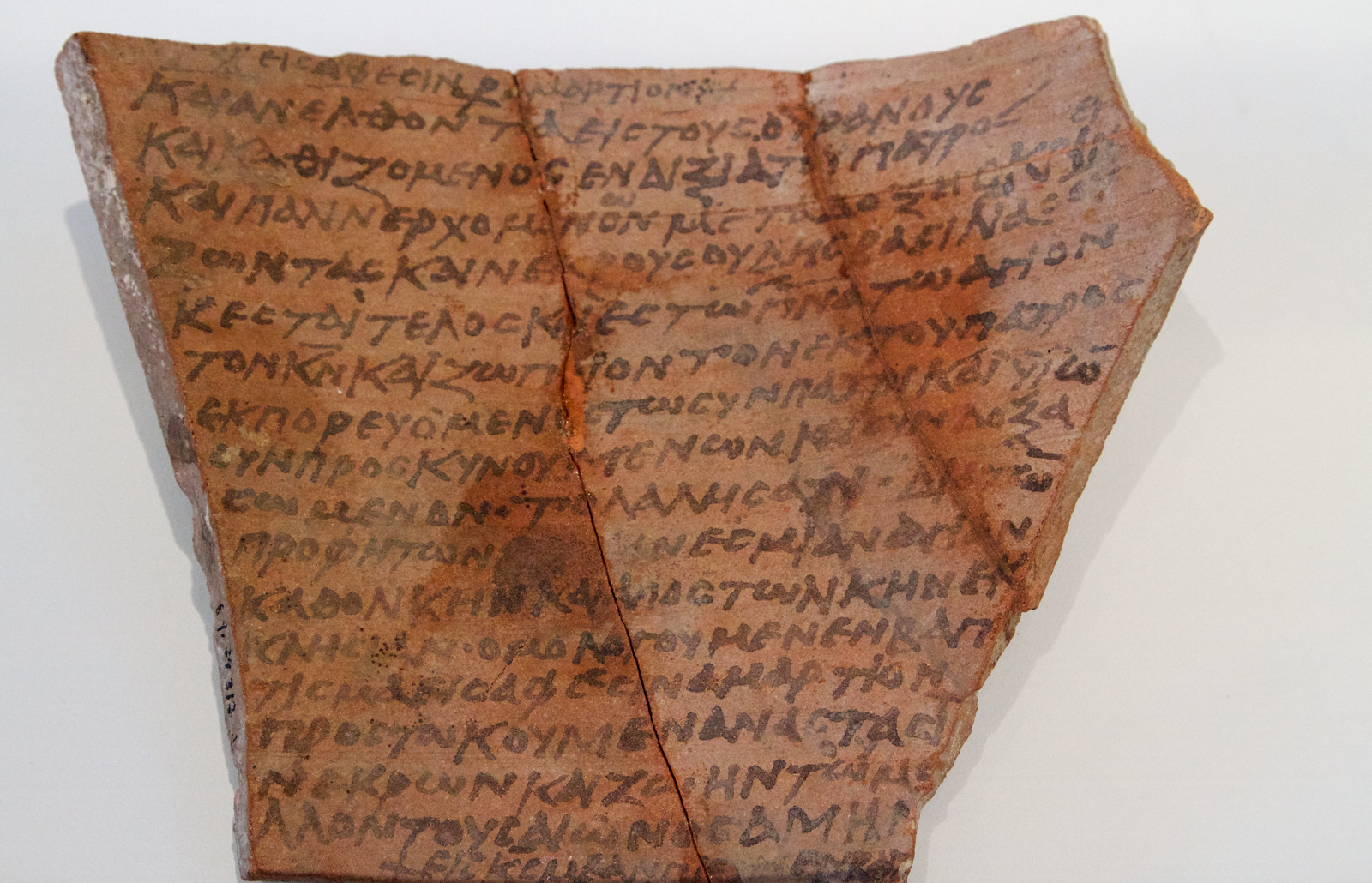
The creeds were actually formed throughout history as inoculations against heretics who were infecting the church with Greek philosophy. The church fathers carefully searched the scriptures to discern scriptural truth in such situations. The creeds specify what we can, and must, say about God and about the relationship between Father, Son, and Holy Spirit when we are preaching the gospel. The creeds did not originate from people trying to use Greek philosophy to explain God and the gospel, but from people trying to prevent the church from being affected by those who attempted to do so.
The creeds help us to discern what the scripture says–and doesn’t say–about God and the gospel. For example, the creeds help us to know that we cannot say that the Father, Son, and Holy Spirit are three gods. We cannot say that the Holy Spirit is merely the power of God and not fully God. Of course, these are simple examples of unorthodox teaching, but the creeds also help us to discern truth from the more subtle kinds of wrong teachings that are less glaringly unorthodox and which more easily make their way into the church.
For example, these days, some pastors will sometimes wrongly say, “On the cross, the Father poured out the Father’s wrath on the Son.” There is an inseparability of operations between the Father, Son, and Holy Spirit; they do everything together. There is not a division of labor within God. In order to divide labor, God would have to be divided. But God is one being and each fully God because God does not have parts.
“I and the Father are one.” (John 10:30)
Because God does not have parts, the operations of God are inseparable. God’s work is indivisible because God is always working together. All God’s work is the work of the Father, Son, and Holy Spirit. There is no rank within God and no varying levels of authority. They share one authority. And none of them came first. They do not have different wills. They share one will. And they are co-eternal.
However, the scripture and the creeds show that the Father, Son, and Holy Spirit are distinct from each other in two ways.
The first way is their relationship. The Son is eternally begotten of the Father. He is not created by the Father. I did not make my son, Trevor. I begat him. He is “of the same being”—human being—as I am. It is the same with God. Dogs beget dogs, cats beget cats, humans beget humans, and God begets God. The creed says that the Holy Spirit proceeds from the Father and the Son. This means also that he is not created by the Father and the Son. He is fully God: poured out by the Father and the Son from their substance and being.
The second way the Father, Son, and Holy Spirit are distinct is the way that they act. The Father acts from himself. The Son acts from the Father. The Holy Spirit acts from the Father and the Son. But they do not act by themselves, and their actions are indivisible. They share a single will. If the Son and the Holy Spirit did not have a will, they would not be God.
So, if we ask, “Who created the world?” scripture says that the Father, Son, and Holy Spirit acted inseparably to create the world. We don’t say, “The Father decided to create and he told the Son and the Holy Spirit what to do,” because they share one will. The decision to create belongs to all of them.
Where Christians sometimes get confused is that although God has one will, when Christ becomes incarnate, because he becomes human, he also has a human will. If he didn’t, he wouldn’t be fully human. He would just be God in a human shell.
So, Christ has two wills: He has a divine will which he shares with the Father and the Holy Spirit. And he has his human will which is in full agreement with his divine will because he has no sin.
““Father, if you are willing, take this cup from me; yet not my will, but yours be done.”” (Luke 22:42)
It takes time for us to think like this, but it is important for us to get it right. But it is what God teaches us about Himself.
“It is written in the Prophets: ‘They will all be taught by God.’ Everyone who has heard the Father and learned from him comes to me.” (John 6:45)
So, the way we learn these things is not by going to seminary, but by being taught by God directly as we read the scripture.
The creeds help us from making scary mistakes as we read the scripture. They help us from saying things like, “The Father poured out his wrath on the Son”. Because God has one will, he has one wrath. It is the wrath of God against godliness.
On the cross, it is not the wrath of the Father which rests on the Son, but the wrath of God because the Father, Son, and Holy Spirit are always acting together. If we get this wrong, we will end up with a really bad picture of the Father. We will end up thinking that the Father is wrathful and the Son is merely a very small sacrifice for sin and we won’t know who the Spirit is.
The wrath of God is the wrath of the Father, Son, and Holy Spirit against all ungodliness. The mercy of God is the mercy of the Father, Son, and Holy Spirit. They share the same love and mercy for creation and for saving us.
Understanding this helps us to understand Romans 5.
“Therefore, since we have been justified through faith, we have peace with God through our Lord Jesus Christ, through whom we have gained access by faith into this grace in which we now stand. And we boast in the hope of the glory of God. Not only so, but we also glory in our sufferings, because we know that suffering produces perseverance; perseverance, character; and character, hope. And hope does not put us to shame, because God’s love has been poured out into our hearts through the Holy Spirit, who has been given to us.”
In the first four chapters of Romans, Paul does two things.
The first is that he makes clear who Jesus Christ is.
“regarding his Son, who as to his earthly life was a descendant of David, 4 and who through the Spirit of holiness was appointed the Son of God in power by his resurrection from the dead: Jesus Christ our Lord.” (Romans 1:3-4)
Christ being our Lord means not only that Jesus was resurrected from the dead but that he was raised up to the highest heaven where he sits on the throne of God and rules creation together with His Father. So, Jesus is much more than a sacrifice for sin.
Jesus has triumphed over all of the powers which tried to rebel against God. So now they must all obey him. And, even when they try to rebel against him, they end up accomplishing his purpose. He is the all-powerful Lord of heaven and earth.
The second thing Paul makes clear in Romans 1-4 is humanity’s total moral collapse.
No one is good. No one seeks God. All humans have come under the complete domination of sin and death. We are all servants of sin, the death, and the devil. We are all soldiers fighting for them in the war against God.
As a result, all of us are under the wrath of God the Father, Son, and Holy Spirit. And God will soon execute judgment against all humans through his appointed agent: the Messiah, the Lord Jesus. He will dissolve the entire creation and he will condemn all people to the lake of fire.
So, when Paul writes in Romans 5:1, “Therefore, since we have been justified through faith, we have peace with God through our Lord Jesus Christ,” Paul is not saying that if we believe in Jesus in our heart we can gain personal peace. Paul is saying that Jesus has freed us from our slavery to sin, death, and satan. That is what peace means. It is not a feeling in our heart. It is a rescue from the destruction of God that is coming upon the present age.
When Paul says that this has brought us peace from God, don’t misread that is “peace with the Father.” It wasn’t the Father’s wrath which the Son bore. It was the wrath of the Father, Son, and Holy Spirit which was born by flesh-and-blood Messiah, Jesus, God’s appointed agent of His people Israel. Jesus bore that wrath bodily. The peace he has won for you is much greater than peace in your heart.
“through whom we have gained access by faith into this grace in which we now stand. And we boast in the hope of the glory of God.” (Romans 5:2)
Notice it does not say “we rejoice in the forgiveness of sins” or “we rejoice that we go to heaven when we die” it says something far greater. We rejoice in the hope of the glory of God. Where we now stand, because of our baptism into the death of our Lord Jesus, is in Christ. Because we are in Christ, we are in God. And we will receive the full glory of the Father, Son, and Holy Spirit. What Christ wins for us is the glory of the triune God.
Because the Father, Son, and Holy Spirit have all things in common, what we receive by being in Christ is all things. We receive the throne of God itself.
“To the one who is victorious, I will give the right to sit with me on my throne, just as I was victorious and sat down with my Father on his throne.” (Romans 3:21).
This is why the Apostle Paul tells the Corinthians that their fights and factions are foolishness. He rebukes them:
“So then, no more boasting about human leaders! All things are yours, whether Paul or Apollos or Cephas or the world or life or death or the present or the future—all are yours, and you are of Christ, and Christ is of God.” (1 Corinthians 3:21-23)
When we hear this, we usually fall into one of two wrong ways of thinking.
First, we can think “Wow, I am in Christ, so my suffering is over and I will never face any more difficulties in my life.” Second, we can think, “Christ is Lord over heaven and earth, but he hasn’t gained victory over his enemies yet. He will do that one day.”
But Romans 5:3-5 refutes this:
“Not only so, but we also glory in our sufferings, because we know that suffering produces perseverance; perseverance, character; and character, hope. And hope does not put us to shame, because God’s love has been poured out into our hearts through the Holy Spirit, who has been given to us.” (Romans 5:3-5)
Why would we rejoice in our sufferings? Because we have been made one with Christ in baptism, the pattern of Christ’s life is now the pattern of our life. Just as the Holy Spirit came on Christ to preach the gospel, so the Holy Spirit has come upon us to preach the gospel. So the suffering that Christ experienced when he proclaimed the gospel is the same suffering that we experience when we proclaim the gospel.
The time between Christ’s ascension and return is not needed in order for Christ to defeat his remaining enemies. Christ already defeated his enemies! But he offers mercy to those enemies who have rebelled against him. He wants them to repent and be saved.
Because we were once enemies of God, we should be quite happy that God has given us this time for repentance. If we didn’t have this time, we would be in the lake of fire with everyone else.
During this time, Christ puts his enemies to work to accomplish his purposes. Christ not only works through his disciples, but through His enemies. They no longer have the power to destroy or even delay of the work of God. They are like attack dogs on a short chain in the hand of the Lord Jesus. His enemies are still able to deceive, try to accomplish their plans, etc. But all of their plans only end up accomplishing Jesus’ will.
Because we know this, we boast when we suffer. We confidently face all suffering and opposition with no fear. When we truly know that Christ is Lord, we are no longer worried. No matter how bad things look, we know that Christ is accomplishing his purposes through everything. This produces perseverance in us, the perseverance produces character, and the character produces hope. And this hope does not disappoint.
In Romans 5:1-5, the Father, Son, and Holy Spirit are all at work to accomplish this amazing salvation.
When Christ gives you his body and blood, he is giving you much more than forgiveness. He is giving you the certain hope of the glory of God. He is giving us an invitation to sit on the throne with him. At your life, in this time, all you see is suffering and difficulty. But, just like Abraham and Christ, we continue to hold firmly to the promise that he gave us. He has promised us the hope of the glory of God in Himself.







 Do the Word